
TL;DR
- A toolbox talk should be 5–15 minutes, cover one hazard, and be documented with crew signatures every time.
- Start with OSHA's top-cited violations: fall protection, scaffolding, electrical, struck-by, and caught-in/between.
- Documented toolbox talks are evidence of good-faith compliance during an OSHA inspection, gaps in the log are a liability.
- Rotate topics monthly and match them to current site conditions and seasonal risks (heat in summer, ice in winter).
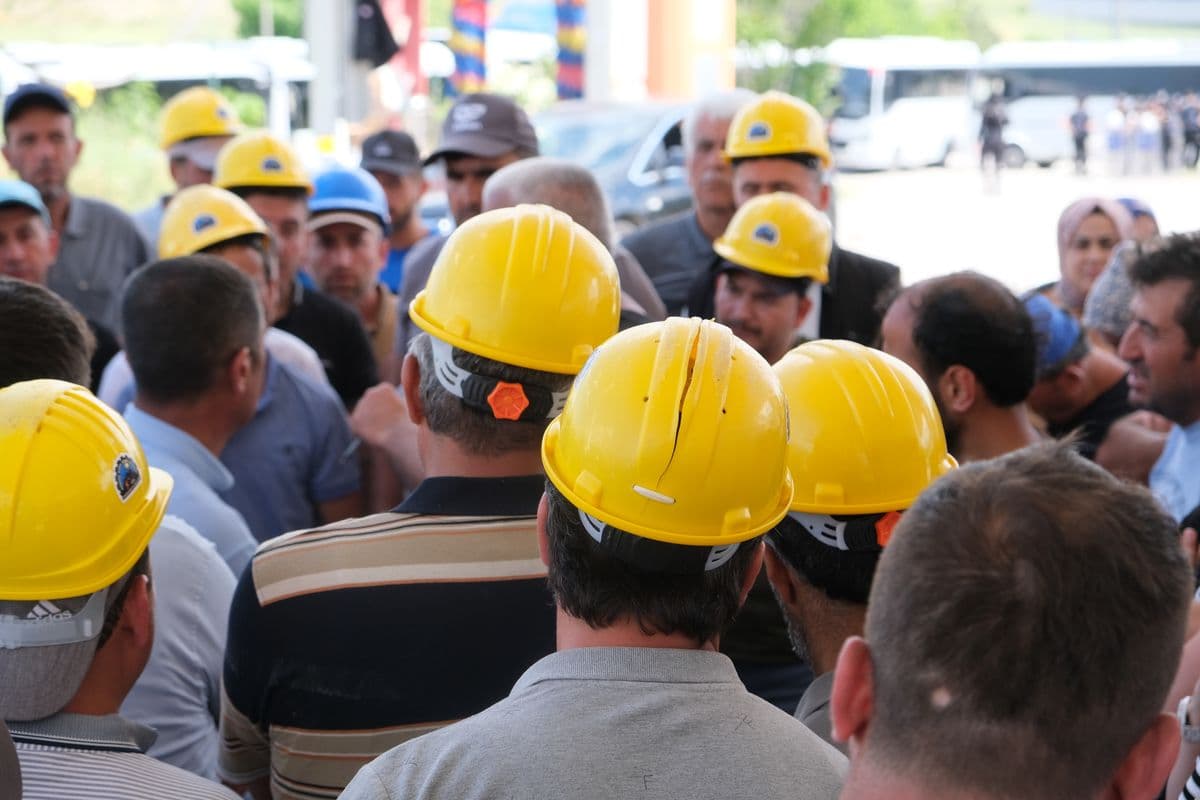
A toolbox talk (also called a tailgate meeting or safety huddle) is a short, focused safety discussion held before the shift starts, typically 5 to 15 minutes, crew standing together, one hazard at a time. Done consistently and documented, they're one of the highest-ROI investments in construction safety: they build hazard recognition, create training records, and build a crew that actually talks about safety rather than just signing forms.
The hard part isn't running them. It's having something new and relevant to say every week.
Below is a full list of topics organized by hazard category. Pull from whatever matches your current task and site conditions.
Fall Protection
Falls are the leading cause of death in construction, nearly 40% of all construction fatalities. Any crew working above 6 feet should hear about this multiple times per year.
1. Personal fall arrest systems (PFAS): How to inspect a harness before donning it, correct D-ring positioning, anchor point requirements (5,000 lb per person), and what a free fall actually does to the human body.
2. Leading edge fall protection: Planning for unprotected roof edges and floor edges, when a guardrail system is required vs. PFAS, and controlled access zones.
3. Ladder safety: The 4:1 angle rule, three-point contact, extension ladder securing, weight ratings, and why you never stand on the top two rungs of a step ladder.
4. Roof work and skylights: Skylight covers that look solid but aren't, proper hole covers (not duct tape, weighted or secured covers), and the inspection process before starting.
5. Scaffolding: Access points, guardrail requirements, working platform integrity, maximum planking gaps, and what a competent person inspection looks like in practice.
6. Floor openings and penetrations: What OSHA requires for covers (marked, weighted, or secured), how to handle penetrations left open by other trades, and temporary covers that fail without warning.
Struck-By Hazards
The second leading cause of construction fatalities. Most struck-by incidents are preventable with planning and communication.
7. Heavy equipment blind spots: Every piece of equipment has dead zones the operator cannot see. Where those zones are, how to communicate with operators before entering the work area, and why you never assume the operator sees you.
8. Falling objects: Toeboards, debris nets, tool tethers above 6 feet, and hard hat zones. A 2-pound wrench dropped from 20 feet hits with the force of a gunshot.
9. High-visibility PPE: ANSI class levels (1, 2, 3), when each is required near traffic or equipment, and why a sun-faded vest from three seasons ago doesn't meet the standard.
10. Crane and rigging operations: Stay out of the swing radius, never stand under a suspended load, tag line requirements, and what to do if a load starts to shift.
11. Nail guns: Contact-trip vs. sequential-trip nailers, accidental discharge mechanisms, bounce-fire incidents, and why glancing-blow injuries are the most common nail gun event.
Electrical Safety
Roughly 8% of construction fatalities, but a much higher percentage of serious, career-ending injuries.
12. Ground-fault protection (GFCI): What a GFCI does and how to test one before use. Why extension cord GFCIs can fail without visible damage.
13. Lockout/Tagout (LOTO): The six-step LOTO sequence, why de-energizing alone is not sufficient, and what happens when power is restored while a worker is still in the circuit.
14. Overhead power line awareness: The 10-foot minimum clearance rule, how to request a line shutdown or insulation sleeve, and why assumed de-energization kills workers every year.
15. Temporary wiring and extension cords: Wire gauge vs. distance and load, no daisy-chained power strips, never remove ground prongs, and how to inspect cords for hidden damage.
16. Arc flash awareness: What arc flash is, why it occurs at commercial voltages, and why standard PPE provides zero protection. Cover who on your site works near energized systems.
Heat Illness Prevention
The most underreported serious hazard in construction. Heat kills slowly enough that workers often don't recognize what's happening to them.
17. The three stages of heat illness: Heat cramps, heat exhaustion, and heat stroke: how to recognize each, how to respond, and why heat stroke is a life-threatening emergency requiring immediate 911, not a drive to urgent care.
18. Water, rest, shade: One cup of water every 20 minutes. A shaded rest area accessible without asking. Scheduled rest breaks in high heat, not optional. Repeat this talk every summer.
19. Acclimatization for new workers: New crew members and workers returning from time off are at highest risk in the first 5–7 days of heat exposure. What your acclimatization schedule requires and why it exists.
20. Heat and medication: Common medications (antihistamines, diuretics, blood pressure drugs) dramatically reduce heat tolerance. Workers should discuss summer work with their doctor. Make it a normal conversation, not a privacy violation.
PPE
PPE is the last line of defense, not the first. But when other controls fail, it's what stands between a worker and the emergency room.
21. Hard hat inspection and replacement: Type I vs. Type II, Class C/E/G ratings, expiration guidelines (most manufacturers recommend 5 years from manufacture, 2 years from first use), crack inspection, and the sticker problem.
22. Cut-resistant gloves: ANSI cut levels A1 through A9, matching the glove to the task hazard, and why the wrong glove creates false confidence rather than protection.
23. Eye and face protection: Safety glasses vs. goggles vs. face shields, when each is required, the difference between impact resistance and chemical splash protection, and why prescription safety glasses need to meet ANSI Z87.1.
24. Respiratory protection: When an N95 is enough and when it isn't, fit-testing requirements for tight-fitting respirators, and why facial hair breaks the seal on any half-face respirator.
Excavation and Trenching
Trench collapses kill without warning. A cubic yard of soil weighs up to 3,000 pounds, and collapse takes less than a second.
25. Competent person requirements: Who can legally classify soil and authorize trench entry, what the pre-entry inspection covers, and why no one enters a trench without sign-off.
26. Soil classification: Type A, B, and C soils, the field tests used to determine which you're in (thumb penetration, fall-off, visual), and how rainfall overnight can drop your classification by two levels.
27. Cave-in protection options: Sloping, benching, shoring, and trench boxes: when each is appropriate, minimum slope angles and bench dimensions, and how to properly place a trench box.
Silica Dust
Crystalline silica is a Group 1 carcinogen. Silicosis is permanent, progressive, and has no cure.
28. Where silica is on your site: Concrete cutting, grinding, jackhammering, and drilling. Masonry work. Abrasive blasting. Any task creating dust from stone-based materials generates silica exposure.
29. OSHA's silica standard (29 CFR 1926.1153): The action level (25 μg/m³), the permissible exposure limit (50 μg/m³), required engineering controls (wet cutting, LEV, enclosed cabs), and the written exposure control plan every covered employer must maintain.
Hand and Power Tools
Tool injuries are among the most frequent in construction, and among the most preventable.
30. Angle grinder safety: The ring test for disc integrity, matching disc RPM rating to grinder speed, never removing the wheel guard, and what happens when a disc shatters at operating speed.
31. Powder-actuated tools: Restricted to trained, licensed operators only, never in flammable atmospheres or near hollow-core block, fastener selection for substrate hardness, and accidental discharge procedures.
Emergency Preparedness
Most crews have never rehearsed an emergency. When one happens, no one knows where the first aid kit is or who calls 911.
32. Emergency action plan: Where your site's muster point is, who calls 911, how to direct responders to the exact location on a large site, and where the AED and first aid kit are located.
33. Stop Work Authority: Every worker, not just safety professionals, has the right and the responsibility to stop work for a safety concern without fear of retaliation. Practice saying the words: "I'm stopping work. I see a hazard."
How to Run a Toolbox Talk That Actually Works
A talk read off a laminated card while the crew stares at their phones is not a safety program. It's a liability document.
The ones that work have a few things in common:
Match the topic to today's work. Don't run a general silica talk if the crew is doing overhead steel installation. Pick the hazard most relevant to what they're doing right now, on this site, today.
Ask questions, don't lecture. "What's the biggest hazard on this task today?" "Has anyone seen this go wrong?" Workers who talk remember the content. Workers who stand through a lecture do not.
Keep it under 15 minutes. Respect the time. A focused 10-minute talk beats a rambling 40-minute session every time.
Document every one. Date, topic covered, attendee signatures, foreman signature. These records are your defense in an OSHA inspection and your evidence in a workers' comp dispute. No signature = the talk didn't happen.
If you need help building a toolbox talk program that runs consistently across multiple sites, documentation, scheduling, and site-specific content, contact Greenberg Safety or call (512) 585-7070.