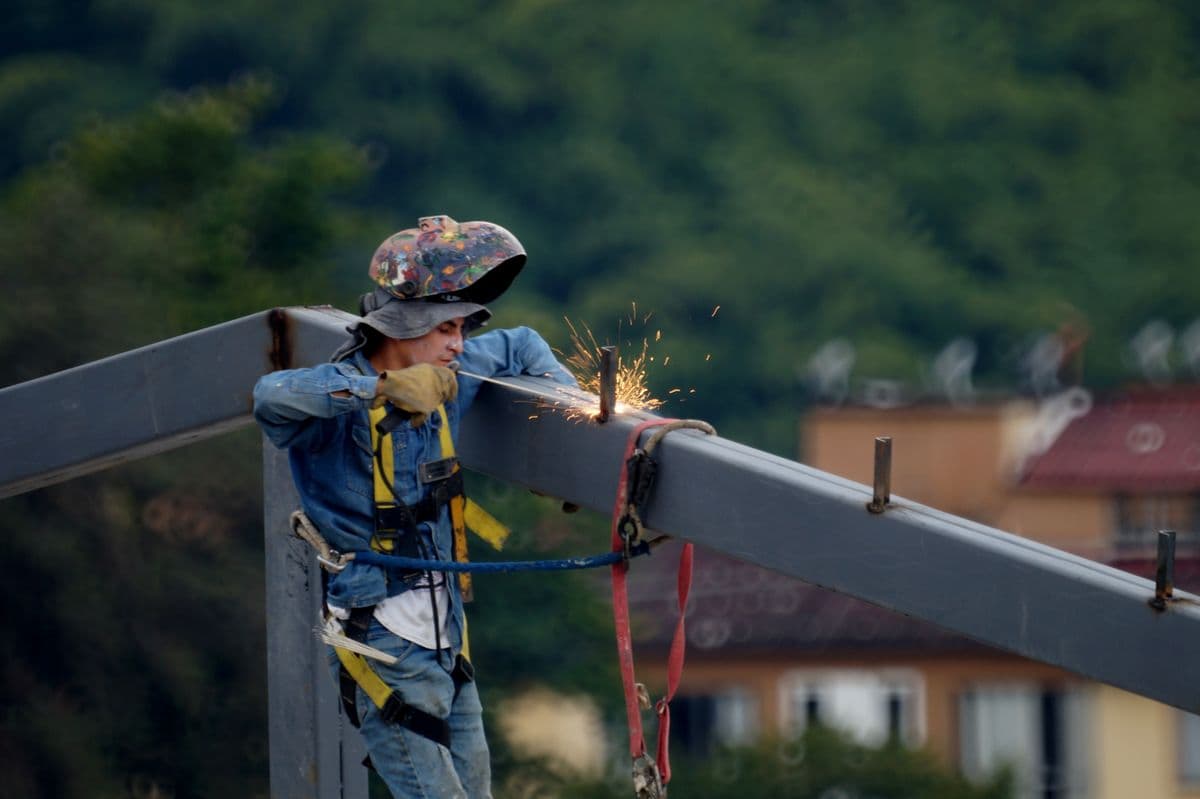
Falls kill more construction workers than anything else — 395 last year alone. Here's how to pick the right full-body harness for your crew, what makes one worth twice the price, and where to buy each pick.
Practical guidance on OSHA compliance, fall prevention, heat illness, safety culture, and more, from the field.

Falls kill more construction workers than anything else — 395 last year alone. Here's how to pick the right full-body harness for your crew, what makes one worth twice the price, and where to buy each pick.

Every construction worker needs six core pieces of PPE before stepping onto a job site — plus task-specific gear depending on the work. Here is what OSHA requires, what to look for when buying, and how to inspect what you already have.

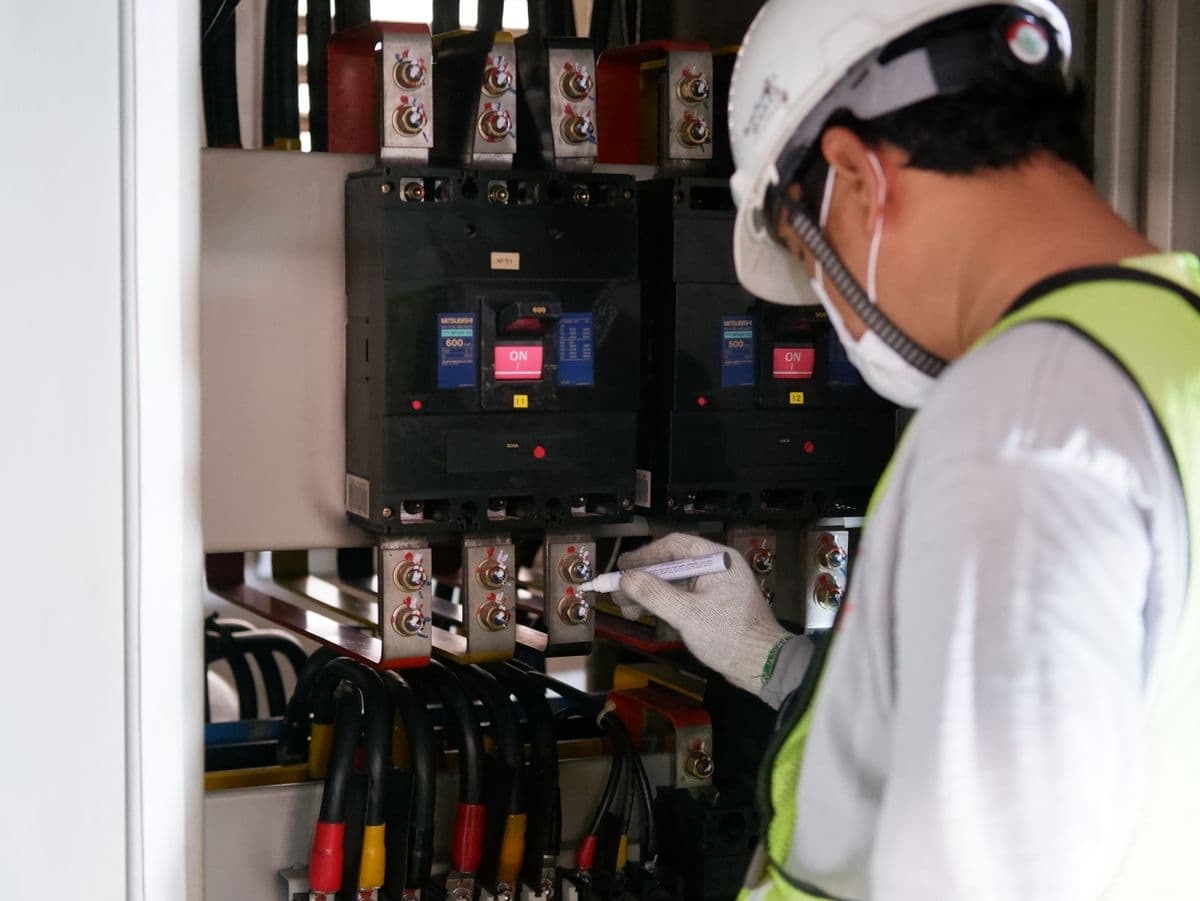
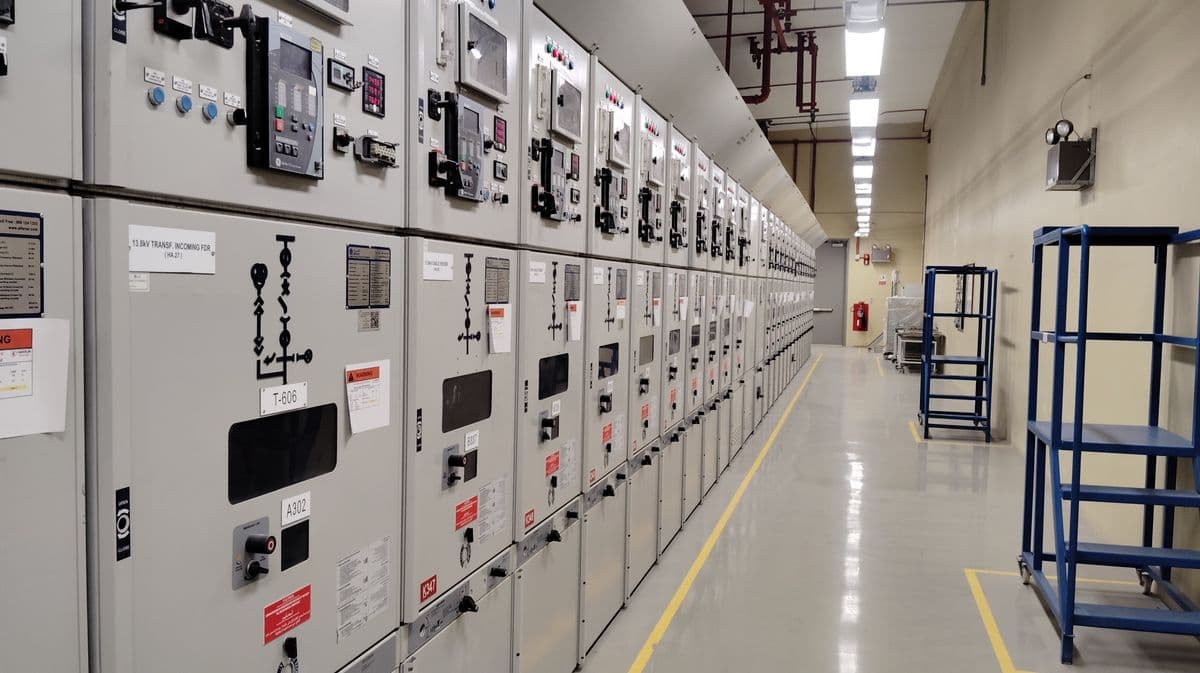
Data center construction carries a hazard profile unlike any other project type. Arc flash exposure, phased energization, live IT operations during active construction, and cleanroom contamination controls create requirements that go well beyond standard OSHA 29 CFR 1926 compliance.

Commissioning is the phase where data center safety programs most often fail. Construction crews and operations teams share the same building under completely different rules. Here is what your EHS program must cover at each commissioning level.

The first thing an OSHA inspector will ask for is your written Heat Illness Prevention Plan. Here's exactly what it must contain, and the common mistakes that turn a good-faith effort into a citation.

Day rates, retainers, per-project fees, here is what construction safety consultants actually charge, what drives the price, and how to calculate whether the investment pays for itself.

Running out of things to cover? Here are 30+ toolbox talk topics organized by hazard category, enough for a different talk every week for more than six months, with documentation guidance included.

A pre-task plan is one of the simplest, and most frequently skipped, tools in construction safety. Here's what OSHA requires, what yours should include, and a free template you can use today.

The OSHA 300 log is one of the most commonly misunderstood recordkeeping requirements in construction. Here's exactly who must keep it, what must be recorded, and the deadlines you cannot miss.

Texas is in the middle of a data center boom, and the electrical hazard profile on these sites is unlike anything a standard construction safety program is built to handle.

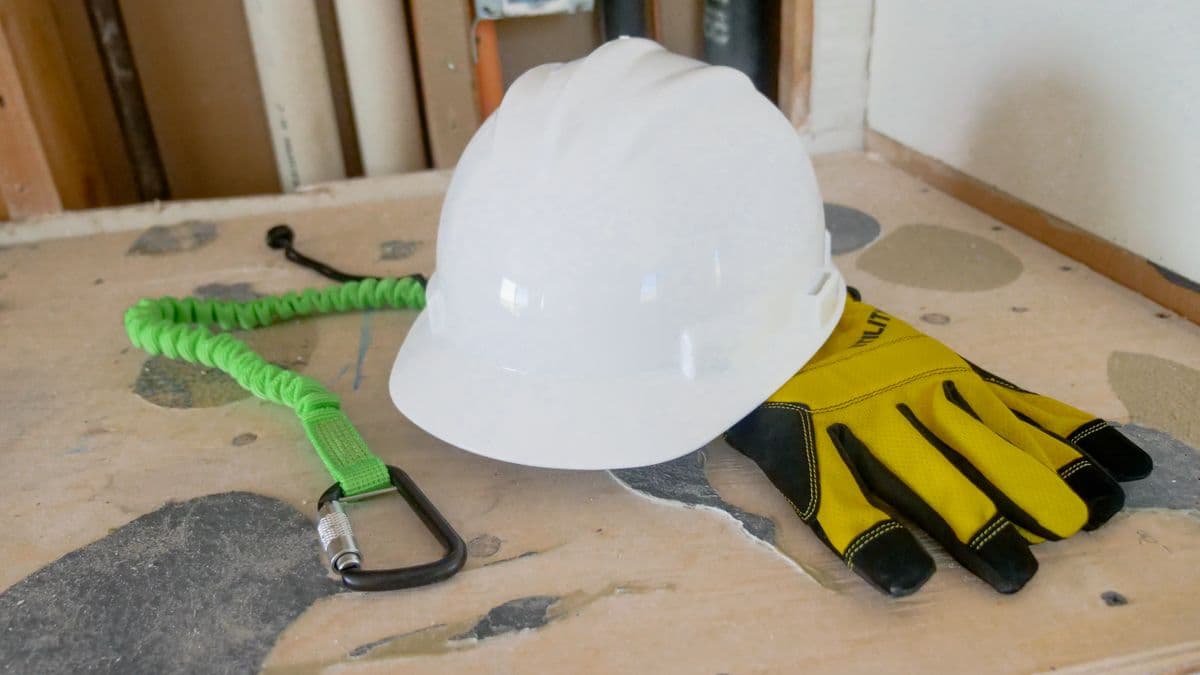
Hard hats, safety glasses, steel-toed boots, the right PPE is the last line of defense between a worker and a life-altering injury. Here's how to select and use the essential gear on any construction site.

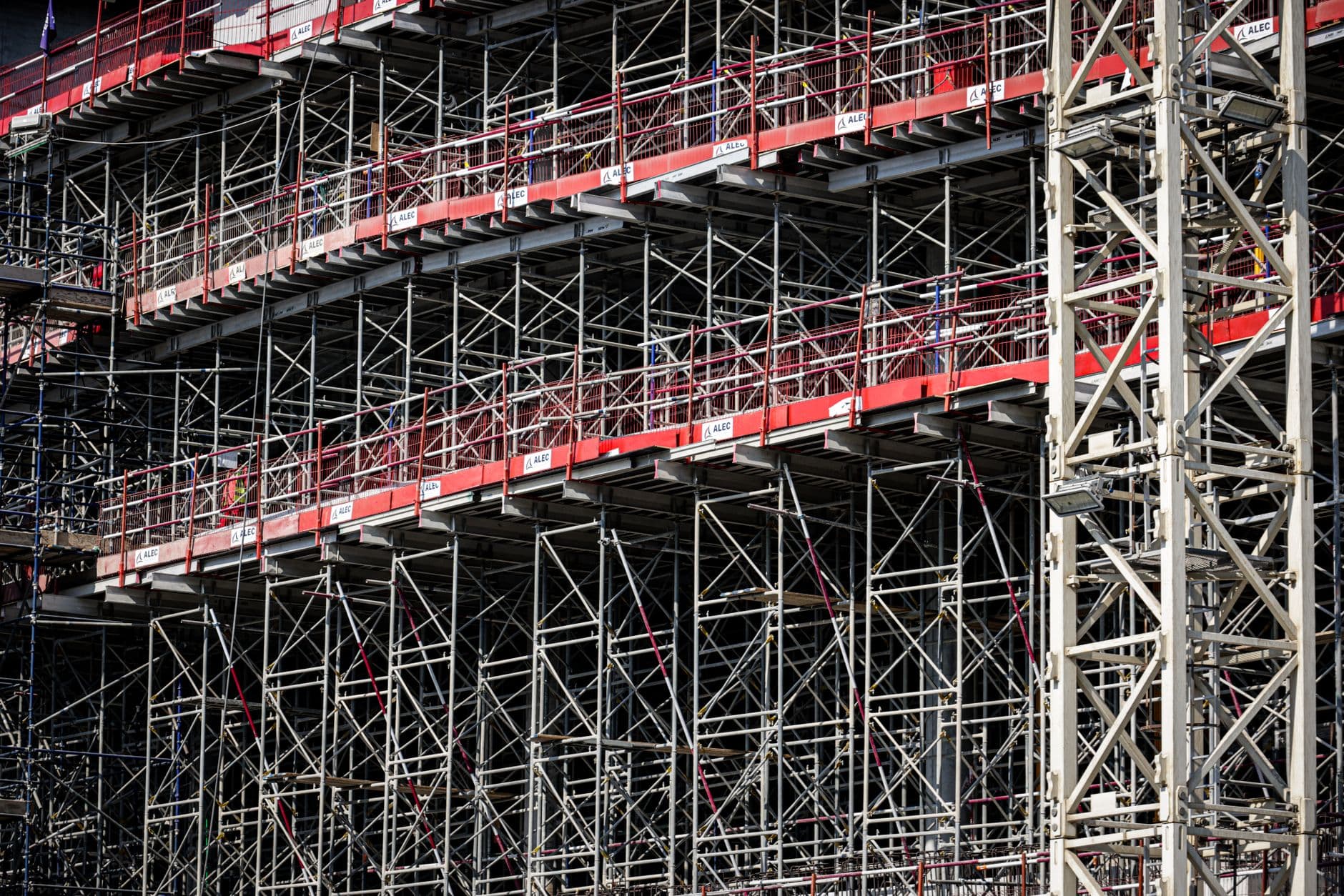
Scaffolding violations are consistently among OSHA's most-cited construction hazards, and most scaffold incidents are preventable. Here's what competent-person oversight, daily inspection, and proper fall protection actually require on active sites.

The inspector just left. Here's exactly what to do in the next 15 days, and what most contractors get wrong about citations, abatement, and their legal options.

Data center construction looks like a clean, controlled environment, until it isn't. High-voltage commissioning, chemical exposure, live IT operations running alongside active construction, and cleanroom protocols create a hazard profile that standard construction safety programs aren't built to handle.

Every growing construction company hits the same question: hire a full-time safety manager or bring in a consultant? The answer depends on your volume, your hazards, and what you can actually afford to get wrong.

Motor vehicle crashes are among the leading causes of occupational fatalities in the United States, yet most construction safety programs treat the parking lot as the end of the safety boundary. Here's how to build a program that closes the gap.

Construction has the highest suicide rate of any industry. The physical hazards get attention, the mental ones rarely do. Here's how to change that on your jobsite.

Falls are the leading cause of death in construction. Most fall hazards are visible before an incident happens, here's how to stop them.

Six scenarios where bringing in a safety consultant protects your schedule, budget, reputation, and insurance position.

OSHA compliance is the floor, not the ceiling. The companies with the best safety records treat safety as a culture, not a checklist.

External safety consultants provide something internal teams can't: objectivity. Here's what to look for and when to bring one in.