
TL;DR
- Data center construction runs live high-voltage systems in the same building as active construction crews, the hazard profile is unlike standard commercial work.
- GCs must comply with both OSHA 29 CFR 1926 (construction) and NFPA 70E (arc flash) simultaneously.
- An energized electrical work permit is legally required any time work occurs on or near live equipment.
- The handoff between construction and operations teams during phased turnover is where most serious incidents occur, it must be managed with a written protocol.
Data center construction is categorically different from general commercial construction. The structural framing, mechanical, electrical, and plumbing work looks familiar. The hazard profile does not.
When a data center goes live in phases, you have a building where construction crews with hand tools and open flame are working thirty feet from live electrical infrastructure carrying tens of thousands of amps. Where IT equipment worth millions of dollars is already installed and running while the contractor crew above them is still hanging conduit. Where a contamination event in a cleanroom bay can destroy equipment and trigger penalties that dwarf the cost of the construction contract itself.
The OSHA standards that apply to general construction, primarily 29 CFR 1926, were written for that context. They do not specifically address arc flash, phased energization, electrostatic discharge (ESD), or construction/operations interface. Meeting those standards on a data center project is necessary but not sufficient.
Here is what the requirements actually look like.
OSHA 29 CFR 1926: The Baseline
Every trade on a data center construction project is covered by OSHA's construction standards. Fall protection under 29 CFR 1926.501, electrical safety under 29 CFR 1926 Subpart K, scaffolding under 29 CFR 1926.451: these apply on a data center site the same way they apply anywhere else.
What changes is the context in which those standards must be implemented. A guardrail system in a raised-floor data hall needs to account for ESD-sensitive flooring below. An electrical lockout/tagout procedure needs to integrate with the owner's energized equipment protocols. The standard doesn't address that integration; your safety program has to.
Arc Flash: NFPA 70E and Owner Requirements
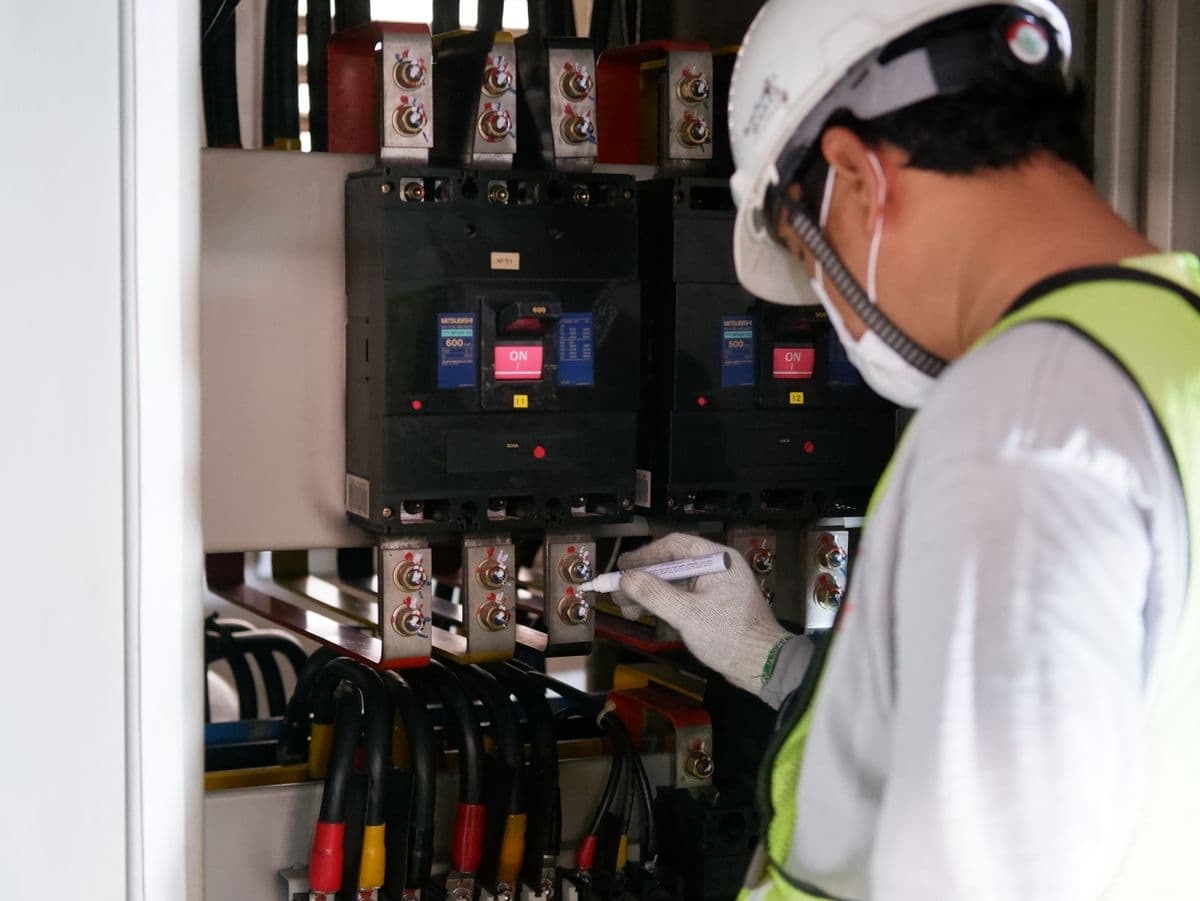
Arc flash is the defining electrical hazard in data center construction. A fault event in high-voltage switchgear can release enough energy to ignite clothing, cause severe burns, and be fatal at distances of several feet. The severity depends on the available fault current, the clearing time, and the distance from the arc.
NFPA 70E, Standard for Electrical Safety in the Workplace, establishes the framework for arc flash hazard analysis and PPE selection. Every data center owner of consequence requires NFPA 70E compliance. What that means in practice:
- An arc flash hazard analysis (AFHA) for each piece of electrical equipment workers may approach
- Incident energy calculations that determine the required PPE category (calories per square centimeter)
- Flame-resistant (FR) and arc-rated (AR) clothing at the correct calorie rating for the task
- Documented approach boundaries and restricted access zones
- A qualified electrical worker program that establishes who may work on or near energized equipment and under what conditions
General contractors whose electrical subcontractors are doing high-voltage work should verify that the sub's safety program addresses all of these elements before work begins. An AFHA performed by a third party at the start of the project and updated as systems are commissioned is the defensible standard.
Phased Energization and Construction/Operations Interface
The highest-risk period in most data center construction projects is the commissioning phase, when electrical systems are being energized in sequence while construction continues in adjacent areas.
At this point, a single shared facility now has two sets of rules operating simultaneously. The construction crew follows OSHA 29 CFR 1926. The operations team follows NFPA 70E and the owner's safety protocols. The line between their zones may be a temporary barrier and a cone.
The safety requirements that apply to this phase include:
- A formal construction/operations interface protocol that defines who controls access to energized areas, how barriers are maintained, and what the notification and approval process is before any construction activity occurs near live equipment
- Energized electrical work permits for any work that cannot be performed under LOTO conditions
- Dual-authority access control: neither operations nor construction can unilaterally modify the other's work zone
- Daily zone walk-throughs to verify barrier integrity as the footprint of live equipment expands
This phase requires a safety professional who understands both construction safety and electrical safety in a live environment. A site safety officer with a background only in general construction will not have the context to manage it effectively.
Cleanroom and ESD Requirements
Data centers that include server installation, specialized cooling, or semiconductor-adjacent manufacturing add a second layer of requirements around contamination control and electrostatic discharge.
ESD controls protect sensitive equipment from static electricity that can damage or destroy components without visible evidence. ESD-safe footwear, wrist straps for direct contact work, antistatic mats, and controlled humidity in active installation areas are standard requirements. Workers who bring tools, equipment, or materials into ESD-controlled areas must be trained and equipped before they enter.
Contamination control protects IT equipment from particulates. For active server rooms, this typically means gowning requirements (head covers, booties, coveralls), tool-bag inspections at entry, and prohibition of cardboard, open food, and other contamination sources in controlled areas. For cleanroom-rated facilities, the requirements escalate significantly and are governed by ISO 14644 cleanliness classifications.
Owner and Client Safety Requirements
Beyond OSHA, most major data center owners and operators publish their own safety requirements for construction contractors. These are contractual requirements, not voluntary. Non-compliance is grounds for work stoppage.
Common sources include:
- Uptime Institute tier classification requirements for commissioning and operational protocols
- BICSI 002 (Data Center Design and Implementation Best Practices) for cabling and infrastructure installation
- Owner-specific EHS standards from hyperscale operators (which typically run 50 to 100 pages and are provided as contract documents)
A safety program written for a hyperscale data center project needs to address all of these layers: federal OSHA standards, NFPA 70E, and the owner's own requirements. The gaps between them are where incidents happen.
The Texas Context
Texas has emerged as one of the most active data center and semiconductor construction markets in the country. Samsung's $17 billion semiconductor fab in Taylor, hyperscale campuses in San Antonio and Abilene, and expanding colocation infrastructure across the Austin-Round Rock corridor have created sustained demand for contractors and EHS professionals who understand mission-critical construction.
The concentration of this work in a relatively small geographic area means that contractors who build expertise in data center safety requirements can apply it repeatedly across multiple clients and project types.
Greenberg Safety's data center safety consulting provides project safety staffing and EHS consulting for data center construction projects across Texas. If you're mobilizing on a mission-critical project and need an EHS professional who has worked in this environment, contact us.